How to Balance Style and Sustainability in Australian Kitchen Designs

Balancing Form and Functionality in Kitchen Spaces
In my journey, revamping a kitchen is akin to weaving art into everyday life. When I embarked on a project near the vibrant National Gallery of Victoria, the goal was to blend functionality with aesthetics seamlessly. A key player here was the installation of a zip tap. It's not just about dispensing hot, cold, and sparkling water with precision but also reducing bottled water reliance, aligning perfectly with sustainable living principles my clients appreciate.
Another crucial component was choosing a fridge that effortlessly combined chic design with energy efficiency. This doesn't just elevate the kitchen's look—these appliances also play a role in reducing energy costs and environmental impact, which my environmentally-conscious clients in Melbourne highly value. Whether it's the silent hum of sleek bar fridges tucked away for maximized space or larger models for family centers, the choice of fridge sets the tone and functionality of the room.
Designing near locales like Fitzroy’s creative hub allows for incorporating local artistry and spatial intelligence, providing inspiration and functionality harmoniously. The aim is to craft spaces that don't just cater to culinary needs but also enhance the overall living experience, reflecting artistry that Melbourne is celebrated for. With each detail, from the tap to the fridge, we masterfully create kitchens that are not only visually appealing but also sustainable and practical.
Integrating Energy-Efficient Appliances
Appliances play a significant role in achieving a sustainable kitchen, with energy efficiency at the core. We've all seen the sleek designs at Federation Square, where innovation meets practicality, and that's exactly what we aim for in the kitchen. Take a Miele Dishwasher, for instance. Their advanced technology not only conserves water and energy but also complements contemporary design aesthetics.
When considering refrigeration, chest freezers offer superior efficiency compared to uprights by keeping cold air locked in, which in turn reduces energy consumption. They are a fantastic solution for those larger households or if you're keen on bulk buying to minimize trips to the store—saving both time and carbon footprint!
The choice of dishwashers also contributes to sustainability. Opt for models specifically designed to consume less energy and water. These options often feature eco-modes and smart sensors that adapt the cycle based on the dish load, significantly improving efficiency.
To address concerns about balancing initial costs with long-term savings, think of it as an investment in your home's future. The immediate expenses might seem daunting, but energy savings and reduced utility bills over time make these choices worthwhile.
Working with the right appliances, we're not just assembling a functional kitchen; it's an eco-friendly, stylish living space.
Eco-Conscious Design Principles
Maximizing Natural Light
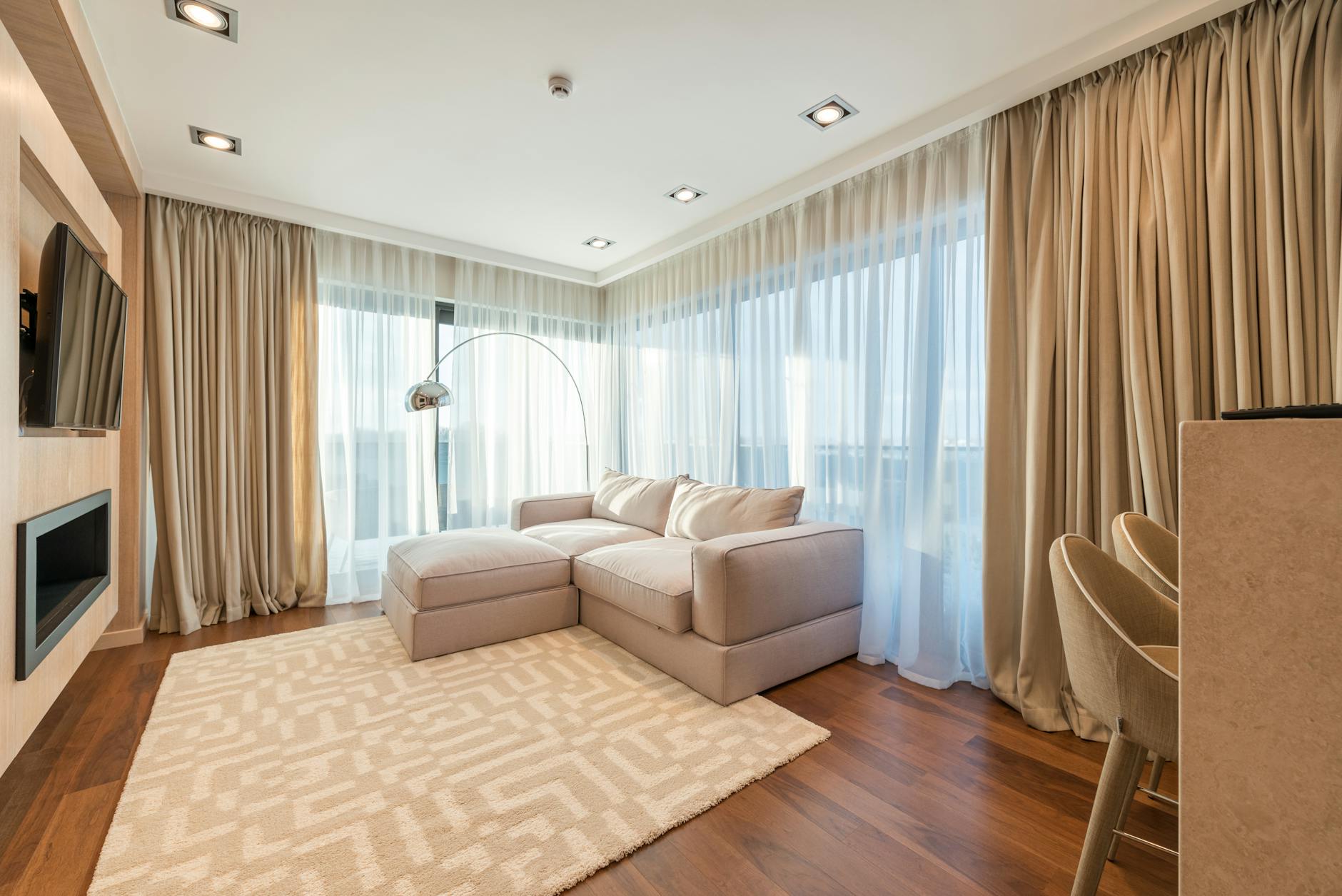
In Melbourne, embracing the abundant natural light can dramatically improve a kitchen's aesthetic and energy efficiency. As an interior designer, I've seen how positioning windows to frame the shifting lights of Federation Square can create a harmonious blend of the outdoors and interior space. Points to consider include selecting light-enhancing finishes such as glossy paints or mirrored splashbacks, which can reflect and amplify sunlight. For those particularly sun-drenched spots, sheer curtains or louvres help to control glare while maintaining brightness.
Water-Efficient Fixtures
Water efficiency can't be overlooked, especially in a city that values sustainability as much as Melbourne does. Opting for fixtures like low-flow taps or aerated faucets can significantly reduce water usage without compromising functionality. Imagine integrating these with advanced home technology systems to track and optimize water use, an approach increasingly popular among eco-conscious households. Clients often appreciate the balance between sophisticated design and responsible living, resonating greatly with sustainability-minded individuals like Lachlan Bennett.
Space-Saving, Minimalist Layouts
Introducing a minimalist layout is another effective element in eco-conscious design, aligning form with function. It's about creating spaces that are not overloaded with unnecessary features. Consider utilizing multi-functional furniture or appliances, like microwaves with convection features, to cater to various cooking needs without the excess clutter. Designing with minimalism in mind ensures each element retains a purpose, paving the way for a more serene and functional kitchen space. This approach can often mean a streamlined space that allows household essentials like a clothes dryer to be optimally placed, underscoring both style and practicality.
Overcoming Budget Constraints
Creating an eco-friendly kitchen in Melbourne doesn't have to break the bank. Balancing style with sustainability means making smart choices that resonate with both your aesthetic and budgetary needs. From personal experience, I have found that focusing on induction cooktops not only adds a modern touch but also significantly reduces energy consumption in the long run. Thoughtful investments like these can be both cost-effective and environmentally beneficial.
Handling Style vs. Sustainability Conflicts
Many clients initially believe they must sacrifice style for the sake of sustainability, but that's not the case. Consider replacing conventional appliances with a sleek Westinghouse fridge that fits seamlessly into any stylish kitchen design while prioritizing energy efficiency. Embracing eco-friendly elements like this often harmonizes with a chic and clean aesthetic.
Addressing Resistance to Change
Resistance to change is a common hurdle I face when working with clients who are hesitant about shifting to a sustainable kitchen. A client once shared their hesitations, fearing that such changes might be cumbersome. Through collaborative design sessions—much like those inspired by creative hubs in Fitzroy—we explored how innovative solutions could be integrated without compromising on convenience or style. Encouragingly, these clients discovered that simple, sustainable swaps often improved their daily lives and aligned with their environmental values.
By approaching each of these challenges as opportunities for bespoke solutions, Melbourne's kitchens continue to evolve into spaces that celebrate both innovation and eco-consciousness.
Best Practices for Sustainable Kitchen Design
Embracing Renewable Energy Sources
From my recent project in a darling Victorian home nestled in Fitzroy, I've seen firsthand how integrating solar panels can transform a kitchen into a beacon of sustainability. Imagine cooking with the sun's energy, knowing you're reducing your carbon footprint. You can start by placing panels on the roof, seamlessly blending them with the home's character. Pairing these with solar-powered kitchen gadgets not only aligns with eco-friendly practices but also offers an invitation to new technology that harmonizes with traditional kitchen aesthetics.
Cultivating Eco-Friendly Habits
Creating a sustainable kitchen is only the beginning. Transform your everyday routines to be eco-conscious. I always recommend starting with small, actionable changes. Consider using recycled shopping bags for your groceries to complement the minimalist layouts we craft, which maximize both style and function. Composting kitchen scraps is another practice that I encourage in all my clients. It’s rewarding knowing that waste is being transformed into nutrient-rich soil that contributes back to our lush garden spaces.
Sustaining a Green Kitchen Atmosphere
Maintaining a sustainable kitchen environment requires regular effort, yet the outcomes are profoundly gratifying. Incorporate live greenery, such as an indoor herb garden, to enhance the space's vibrancy while purifying the air. I often draw inspiration from the natural installations at the National Gallery of Victoria, which remind us of our connection to the earth. These sustainable touches not only boost the kitchen's aesthetic appeal but create an ongoing dialogue about conservation. In my journey as an interior designer, I've found that merging style with sustainability in the heart of the home can truly revolutionize our everyday living spaces.